
Cadrenal Therapeutics Announces Phase 2 Results with Encouraging Reductions in Thrombotic Events for CAD-1005 in HIT, Supporting Clinical Advancement
Our lead program, CAD-1005, is a phase 3-ready, first-in-class 12-LOX inhibitor for the treatment of heparin-induced thrombocytopenia (HIT), a deadly immune-mediated thrombotic disorder. CAD-1005 has received Orphan Drug and Fast Track designations from the U.S. Food and Drug Administration, as well as orphan drug status from the European Medicines Agency. Second-generation 12-LOX oral therapeutics are also under development.
Our broader pipeline includes tecarfarin, a Phase 3-ready oral vitamin K antagonist for the treatment of patients with end-stage kidney disease and those with left ventricular assist devices, and frunexian, a parenteral, clinical-stage Factor XIa inhibitor designed for use in acute hospital settings.
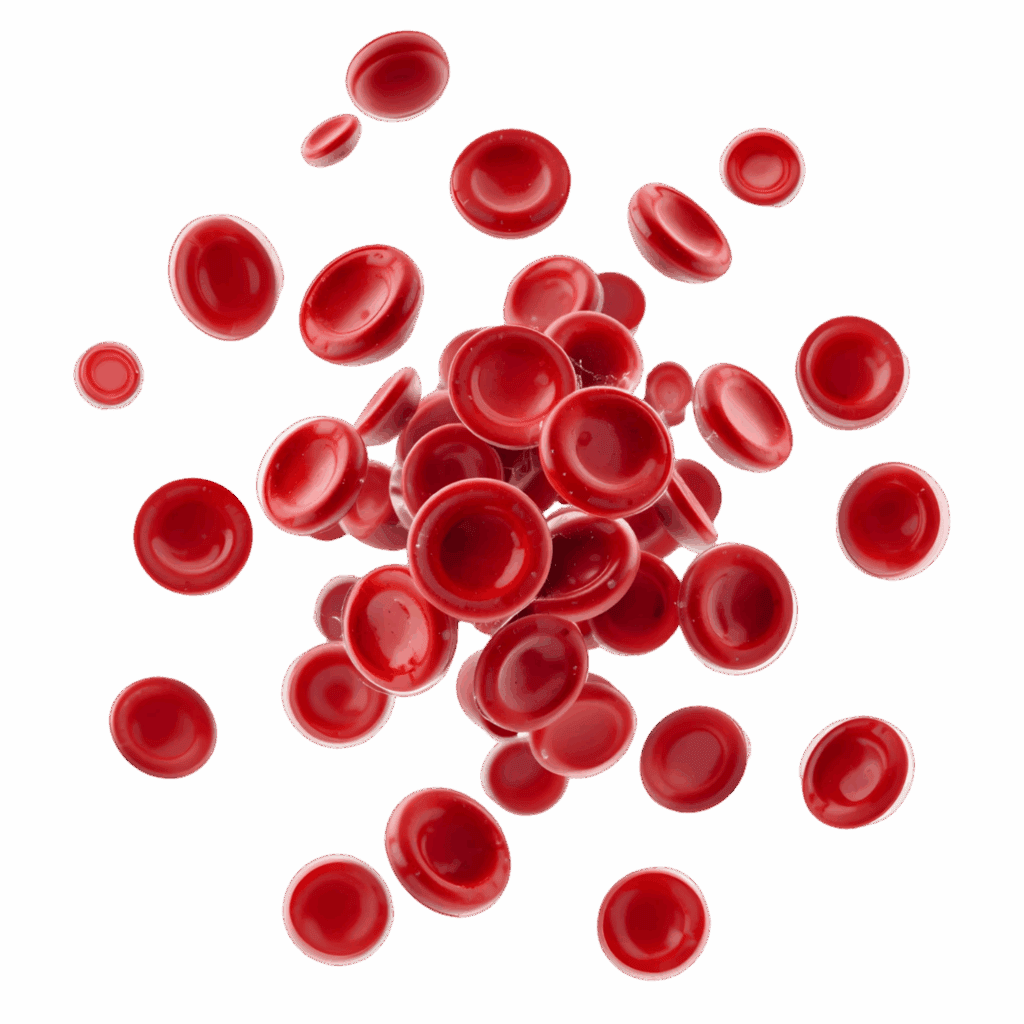
CAD-1005 is an investigational therapy being evaluated for the treatment of suspected HIT. CAD-1005 is designed to selectively inhibit 12-LOX, a pathway integral to the primary immune mechanisms driving HIT.
Unlike existing therapies for HIT, which are only directed at preventing thrombotic complications, this approach addresses the primary underlying cause of HIT.
Tecarfarin is a novel late-stage, reversible oral VKA with a proven mechanism of action (similar to that of warfarin), but is metabolized in a completely different way, with the potential to provide more reliable anticoagulation than warfarin, making it easier to remain within the therapeutic range and reducing both thrombotic and bleeding complications.
Development of tecarfarin is focused on ESKD patients with atrial fibrillation, and patients with implanted LVADs.
Frunexian is a parenteral small molecule inhibitor of Factor XIa, and the only intravenous (IV) small molecule Factor XIa specifically being developed for the acute/critical care hospital setting.
Frunexian development is focused on acute/critical care settings, including complex cardiac surgeries where contact activation of coagulation by medical devices or artificial surfaces plays a significant role.
Tecarfarin has a proven mechanism of action (similar to that of warfarin), but is metabolized in a completely different way, with the potential to provide more reliable anticoagulation than warfarin, making it easier to remain within the therapeutic range and reducing both thrombotic and bleeding complications.
The present development of tecarfarin is focused on two orphan cardiovascular conditions with particularly narrow therapeutic windows, where patients may be unable to achieve sufficiently reliable chronic anticoagulation with warfarin, and where DOACs have either failed or their efficacy and safety remain unproven: ESKD (end-stage kidney disease) patients with atrial fibrillation, and patients with implanted LVADs (left ventricular assist devices).
Frunexian is a parenteral small molecule inhibitor of Factor XIa, and the only intravenous (IV) small molecule Factor XIa specifically being developed for the acute/critical care hospital setting.
Frunexian development is focused on acute/critical care settings, including complex cardiac surgeries where contact activation of coagulation by medical devices or artificial surfaces plays a significant role.